
Have you ever started a good habit with enthusiasm, only to find yourself struggling to continue it after a few days?
Perhaps you planned to read every day, exercise regularly, learn a new skill, or spend less time on your phone. At first, everything seemed easy. But as your routine became busy or your initial excitement faded, the habit became harder to maintain.
This is a common experience. Starting a habit is often easier than making it a lasting part of our lives.
The key is not to depend entirely on motivation or try to change everything at once. Instead, build habits in a way that fits your daily life, makes them easier to repeat, and allows you to continue even when things don’t go as planned.
Start Small and Keep It Simple
One of the common mistakes when building a new habit is trying to do too much too soon.
You might decide to read for an hour every day, exercise for an extended period, or learn a skill for several hours. Although these goals may sound good, they can become difficult to maintain alongside your existing responsibilities.
Instead, begin with a small action that feels manageable.
If you want to develop a reading habit, start with just one or two pages a day. Completing this small task can give you the motivation to continue, and you can gradually increase the number of pages as the habit becomes part of your routine. If you want to exercise regularly, begin with a five- or ten-minute walk. If you want to learn something new, spend a few minutes practising.
Small actions may seem insignificant at first, but they help you establish a routine without putting too much pressure on yourself and make the habit easier to sustain.
Once the habit becomes more familiar, you can gradually increase the effort. The aim is not to achieve the maximum result on the first day, but to create something you can realistically continue.
Make the Habit Part of Your Routine
A new habit is easier to remember when it has a clear place in your day.
Rather than deciding to do something whenever you find time, connect it to an activity you already do regularly.
For example, you could read a few pages after breakfast, take a short walk after work, or spend ten minutes learning a new skill before dinner.
This gives your habit a natural starting point and reduces the need to decide when to do it each day.
Your surroundings can also influence your actions. Keep a book somewhere visible if you want to read more, prepare your exercise clothes in advance, or keep your phone and other distractions away while working on an important task.
Small adjustments to your environment can make a desired action easier to begin and reduce unnecessary obstacles.
Remember, you don’t have to rely on willpower for every small action. A well-planned routine can help you follow through more naturally.
Focus on Repetition, Not Perfection
Building a lasting habit takes time. You may miss a day because of unexpected responsibilities, tiredness, travel, or other changes in your routine.
Missing a day does not mean you have failed. Life doesn’t always go as planned, and an unexpected break doesn’t mean you have to give up on the habit altogether.
What matters is how you respond. Instead of feeling disappointed and abandoning the habit, return to it when you can. Your willingness to begin again can make a difference to your long-term progress. If your usual routine is not possible, consider a smaller version that fits your circumstances.
For example, if you normally read for twenty minutes but have a busy day, reading just a few pages can help you stay connected to the habit.
At the same time, remember that rest and flexibility are important. The goal is not to follow a routine perfectly every day, regardless of circumstances. It is to make steady progress over time.
You can also keep a simple record of your efforts. Reviewing your progress can help you understand what is working and encourage you to continue. It can also help you identify what isn’t working and make the necessary changes, because recognizing what not to do is also a sign of improvement.
Rather than judging yourself for an occasional missed day, pay attention to the pattern you build over weeks and months.
Let Your Habits Grow With You
As your habits become more established, you can adjust them to suit your changing goals, responsibilities, and interests.
A short daily walk may gradually become a longer exercise routine. Reading a few pages may lead to finishing books regularly. A little time spent learning a skill may eventually help you develop greater knowledge and confidence.
However, progress does not always mean doing more. Sometimes, maintaining a simple habit is more valuable than increasing it until it becomes difficult to sustain.
Review your routine from time to time. Ask yourself whether the habit is helping you, whether it still fits your life, and whether anything needs to change. Keeping a record and reviewing your progress can help you maintain a healthy habit and make adjustments when necessary.
Be patient with yourself as you learn. Some habits may become comfortable quickly, while others require more time and adjustment. Everyone has their own pace, capacity, and way of approaching things, so avoid comparing your progress with others.
The important thing is to find an approach that supports your goals and fits your current circumstances. When a habit feels manageable and works with your daily life, you are more likely to continue it.
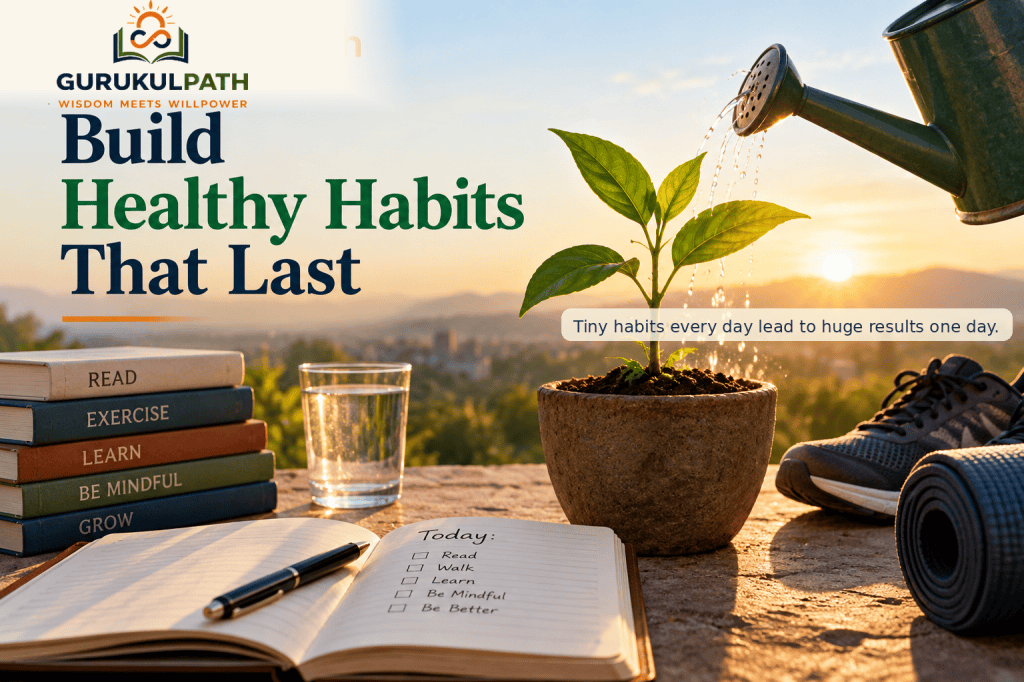
Remember: Lasting habits are not built through one perfect day, but through small actions repeated over time. Start with tiny changes you can manage, make them part of your routine, and keep returning to them. With patience and consistent effort, small actions can lead to meaningful changes in your life beyond what you might have imagined.


Leave a Reply